
Rock Ascending Escape Turbo Mines Game Extreme Discipline across UK
Occasionally you really have to get away from the screen. All over the UK, many are finding that escape on a cliff face. Mountaineering demands everything you have: your focus, your power, your nerve. You think only about the following grip and the texture of the surface. That total immersion has a striking parallel in games like play for fun turbo mines game Mines, where success relies on calm calculation and a steady nerve. Each pursuit pull you out of the ordinary. They teach you to weigh risks, to stay calm, and to find the immense reward in solving a tough problem. This is how the attitude of an thrill activity can improve your game and develop real resilience.
The Appeal of Extreme Sports in Today’s World
Routine life can seem packed but strangely lacking challenge. We flip through screen content, yet we hunger for a feeling that gets our heart pound for real. High-intensity sports like rock climbing meet that need. They yank you out of the online world and plant you in the here and now, where a mistake has weight and a achievement is yours alone. This isn’t observing a story unfold; it’s creating your own. The surge of adrenaline and the endorphin surge that follow provide a organic euphoria and a sharpness of mind screens can’t rival. It’s awareness with real stakes, etched into rock and stone. You discover to handle fear and perform under pressure, competencies that translate directly to tactical planning and routine difficulties.
Turbo Mines: A Digital Test of Nerve
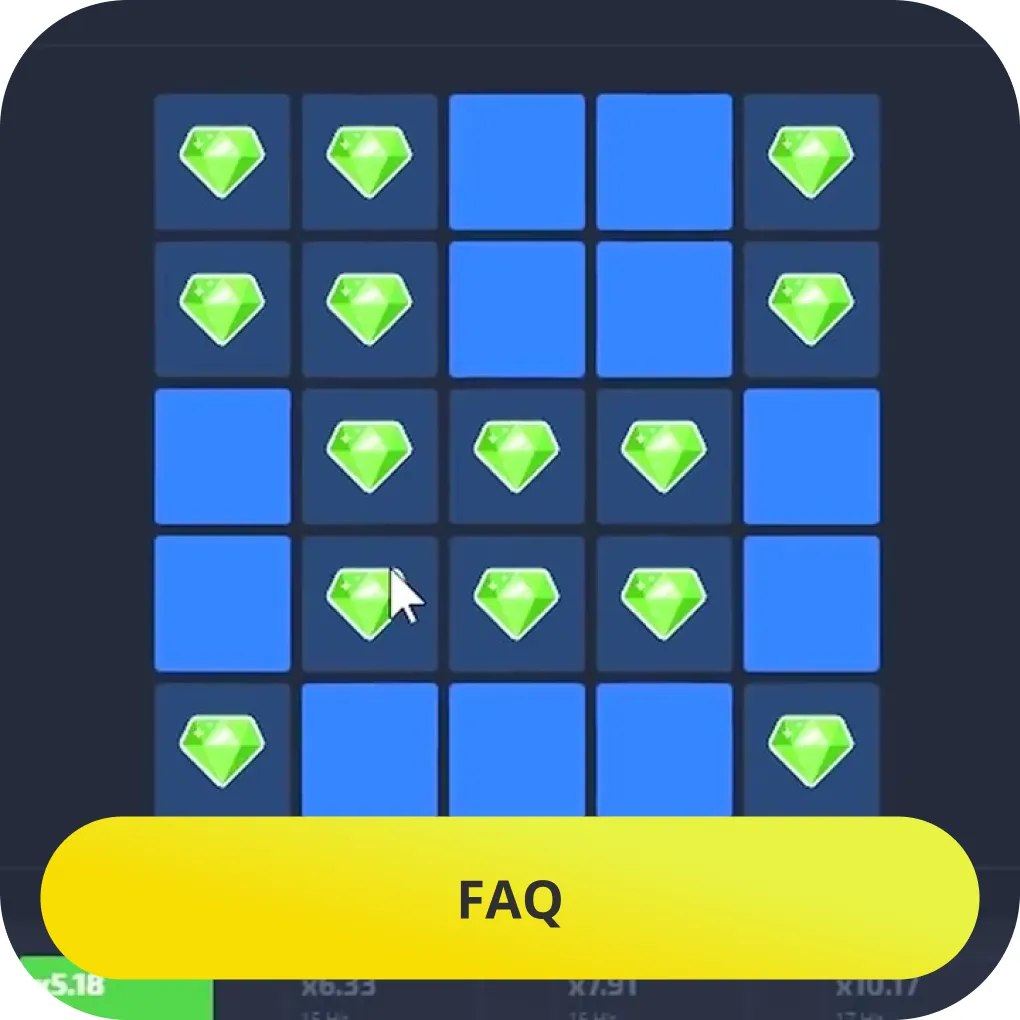
Na dny, kdy nemáte přístup na skálu, umí strategická hra nabídnout vašemu mozku kvalitní zátěž. Turbo Mines Game prezentuje tradiční logickou hru smíšenou s náhodou. Vaším úkolem je vyčistit mřížku, aniž byste narazili na ukrytou nálož. Každý tah je rozhodnutí. Každé číslo, které se objeví vám dává více informací pro další postup. Část “turbo” signalizuje zrychlené tempo, což klade důraz na bleskové vnímání souvislostí a bystré instinkty. Je to čistý test logického úsudku a vaší osobní tolerance k riziku. Podobně jako při lezení, musíte vyvážit prudké tempo s pečlivou analýzou. Ukvapený klik ukončí hru, zatímco příliš opatrná hra vás zastaví před výhrou.
- Systematické prohledávání: Pohotově označte jistá bezpečná místa s využitím číselných indicií. To efektivně zmenšuje problém.
- Odhad pravděpodobnosti: Ve chvíli, kdy není nic jisté, vypočítejte riziko, kde je ukrytá nálož. Je to jako výběr mezi dvěma možnými chyty.
- Rozpoznávání vzorů: Pokročilí hráči se učí běžné konfigurace min, podobně jako lezec čte sekvenci cesty od země.
- Kontrola emocí: Nepanikařit po neúspěšném hodu je zásadní. Resetujte své soustředění na další hru.
Cross-Training for Mental and Physique
View these activities as mutually beneficial forms of cross-training. Physical climbing develops raw grip strength, core stability, and decision-making under real duress. The exertion decreases stress and enhances mental health, building a more resilient mind—a direct benefit for any strategic task. On the flip side, logic games like Turbo Mines sharpen analytical speed and cognitive flexibility. They’re a training session for the prefrontal cortex, boosting how you manage complex information and execute fast decisions. That mental agility transfers to the rock with you, helping you to assess a route efficiently and change your plan on the fly. Together, they create a feedback loop of readiness.
Keep in mind about rest. Muscles require time to recover after a hard climb, and your brain gains from a break after intense cognitive work. Switching between physical and digital challenges delivers a balanced kind of stimulation. You might devote a day on analytical gaming after a day of climbing, letting each part of you to recover. This holistic approach aids prevent burnout and keeps you operating well, whether you’re tackling a boulder problem or a complicated minefield.
Cognitive Overlaps: Climbing Focus and Strategic Play
Clinging to a rock face and participating in online gaming seem entirely distinct. But examine it more closely, and the mindset aligns. Each requires a sharp concentration. A moment’s distraction means a tumble or a lost game. A mountaineer plans a sequence of moves, conserves energy, and keeps cool in an exposed position. A strategic gamer examines sequences, manages resources, and takes measured risks as pressure builds. The unifying factor is navigating danger. On rock, you judge the rock condition, your anchor placements, and your personal exhaustion. In Turbo Mines, you assess odds, possible payouts, and the price of an error. Both are studies in managing stress, where the thrill comes from applying ability to move through uncertainty.
They additionally both favor patience and treat failure as helpful feedback. A rock athlete might experience numerous drops on a route before finally completing it. Each mishap provides insight about body position or hold. This process of trying, failing, and adjusting is the same as honing a victorious tactic. You build resilience. You realize that reversals aren’t dead ends, but part of getting better. This developmental attitude, whether forged on rock or through a display, is a valuable tool. It enables you separate your ego from the conclusion and focus instead on the slow, steady refinement of your approach and selections.
Climbing in the UK: A Landscape of Adventure
Climbers in the UK are truly fortunate. The country presents a incredibly wide range of rock. You have the iconic, rough gritstone of the Peak District, the spectacular sea cliffs of Pembroke, and the majestic mountains of Snowdonia and the Scottish Highlands. The climbing history here is rich, with traditional ‘trad’ ethics woven into the culture of the crags. This variety means there’s a choice for every climber. You could be a beginner at an indoor bouldering wall one week and a experienced climber tackling a multi-pitch route the next. The community is built on camaraderie. Sharing tips on a tricky sequence or belaying a friend on a boulder problem is part of the fun.
Key UK Climbing Destinations for Every Level
Beginners might ask where to begin. Stanage Edge in the Peak District is a rite of passage, with thousands of routes along a single escarpment that’s simple to get to. Its gritstone teaches precise footwork and the fine skill of trusting friction. Up in the Lake District, volcanic rock creates classic scrambles and tougher climbs, with Langdale serving as a central hub. Over in Wales, the Wye Valley’s limestone presents sheltered, technical puzzles, while the mountain crags of Ogwen Valley call for a more serious approach. Every region has its own feel, encouraging you to develop a broad set of skills.
Kit and Safety: The Must-Haves
Your adventure begins long before you leave the ground, with your gear. Climbing relies on equipment, and every piece has a job that could save your life. A basic personal kit contains a harness, a helmet, climbing shoes, and a belay device. For trad climbing, you’ll assemble a rack of cams, nuts, and slings to protect yourself as you go. Learning to use this gear properly isn’t a suggestion; it’s the absolute foundation. Get professional instruction from bodies like the British Mountaineering Council or a qualified mountain guide. Make safety checks a ritual. This habit fosters a mindset of thorough readiness, the best tool for lowering risk.
Beginning Your Journey: Your First Steps onto the Rock
If climbing beckons, starting is straightforward. Your local indoor climbing gym is the best entry point. These places have gear hire, beginner courses, and auto-belay systems so you can climb safely without a partner. Here, you’ll learn basic movement, how to fall the right way, and the etiquette of bouldering. The gym community is typically very friendly. From this base, you can move on to top-rope courses to learn belaying. The initial goal isn’t to become an expert instantly. It’s to build confidence and understanding in a controlled, supportive environment.
Getting formal outdoor instruction is a critical next step. A qualified guide can show you how to place traditional protection, build anchors, and understand environmental hazards like sudden weather changes. They link between gym climbing and the independent adventure of the outdoors. Remember, climbing is a process. Celebrate the small wins—your first lead climb, finally completing a problem that once seemed unattainable. Each step builds on your technical skill and, more importantly, to that mindset of focused calm and strategic perseverance.
FAQ
What is the best age to start climbing?
There’s almost no wrong time to start. Climbing gyms run classes for children as young as four or five. Numerous adults take up the hobby in their 50s, 60s, or beyond. Prioritize technique over raw power, begin at a suitable level, and listen to what your body communicates to you. The sport is wonderfully scalable. It’s a lifelong activity that adapts as your ability and goals change.
Do I must be very strong to begin rock climbing?
Absolutely not. For novices, technique matters significantly more than power. Efficient climbing means using your legs to propel, maintaining your balance, and operating with purpose. Beginning in a indoor facility enables you to develop functional strength naturally, merely by climbing. Your finger and hold and core strength will build consistently as you climb more frequently.
How is Turbo Mines Game different from the original Minesweeper?
The “Turbo” label typically means a quicker or more intense version. This could involve a more expansive grid, a ticking clock, special power-ups, or distinctive mine patterns that force quicker thinking. It incorporates elements that boost the adrenaline and require faster decisions, akin to the difference between a relaxed hike and a racing scramble up a ridge.
Is rock climbing in the UK costly to start?
The upfront cost for basic personal gear is manageable. Gym entry fees and courses are your main ongoing expenses. Climbing outdoors itself is free, once you account for travel. BMC membership includes insurance and gear discounts at a reasonable price. You can also rent gear at the start to spread out the cost, creating a surprisingly accessible pastime.
Can strategic games improve real-world skills?
They certainly can. These games exercise cognitive functions like pattern spotting, probabilistic thinking, and decision-making under pressure. They teach your brain to process information and reach logical outcomes. Such mental training can improve problem-solving in practical fields like planning, logistics, and analysis.
What is the key safety rule in climbing?
Always do a mutual partner check before you leave the ground. Both climbers check each other’s harness buckles, knot, helmet, and belay device setup. This simple, non-negotiable ritual catches the vast majority of user errors. This creates a culture where everyone shares responsibility for safety.
How do I manage fear of heights while climbing?
The anxiety is natural and you can control it. Begin with low-level bouldering to become familiar with the movement. When you are roped up, practice falling in a controlled setting to strengthen faith in your system. Keep your gaze on the rock, not the ground. Inhale deeply. With consistent, repeated practice, your comfort level will improve, transforming raw fear into a useful, sharp awareness.