
Eatery Wait Mega Moolah Slot Before Meals in Canada
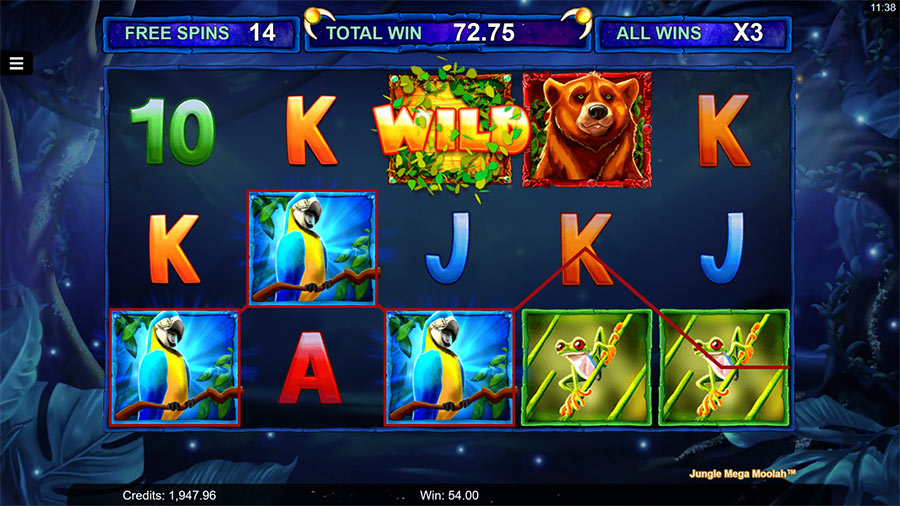
In Canadian restaurants, the interval between ordering and receiving a meal often ranges from minutes to half an hour. This idle period presents a quiet opportunity for mobile entertainment. The Mega Moolah Slot User Experience Moolah progressive jackpot slot has become a common choice for this context. This analysis examines the realistic, legal, and strategic factors for Canadians engaging with Mega Moolah during dining waits. It looks at how the game’s structure suits brief sessions, the importance of responsible play in public, and the nuances of accessing licensed online casinos from mobile devices across provinces. The emphasis is a balanced review of turning waiting time into a systematic, controlled, and potentially rewarding gaming interlude.
Conclusion
For Canadian diners, playing Mega Moolah during a restaurant wait combines high-stakes digital entertainment with social rituals. Its suitability arises from a design offering excitement in short bursts and the tantalizing possibility of a jackpot on any spin. This practice demands attention to provincial legality, strict personal boundaries, and respectful public etiquette. When approached as regulated, budgeted entertainment with pre-defined limits, it can transform idle minutes into moments of anticipation. Ultimately, the meal and company remain the core experience, with Mega Moolah functioning as a potentially thrilling, but always subordinate, prelude. Success lies in the player’s preparation, restraint, and social awareness.
Comparing Mega Moolah to Other Wait-Time Activities
Pitting Mega Moolah to common wait activities frames its popularity. Browsing social media is passive and hardly rewarding. Scanning news requires sustained focus easily broken. Intricate mobile games need uninterrupted attention, which is interpersonally awkward. Mega Moolah occupies a distinct middle ground: it is dynamic and engaging, delivering excitement with each spin, yet requires negligible cognitive load for effortless disengagement. The possibility for a huge reward brings excitement that checking emails cannot match. This combination of low-effort engagement and high-potential payoff establishes its niche, transforming inactive waiting into an dynamic micro-activity.
- Social Media Browsing: Unengaged, often tends to negative comparison. Mega Moolah provides lively participation and positive anticipation.
- Casual Mobile Games (e.g., Puzzles): Can be absorbing and disrupt conversation. Slots are simpler to pause instantly.
- Reading: Requires linear focus. Mega Moolah is non-linear; each spin is a complete event.
- Conversation: The ideal activity, but not always feasible for the whole wait. Mega Moolah acts as a high-quality filler during lulls.
Game Plan for Brief Play
A “restaurant wait” mindset requires a specific tactic. The goal becomes controlled, responsible involvement with a explicit limit. This involves predefined caps on time and funds adjusted to the expected wait duration. Strategy centers on bet amounts that allows a manageable number of rounds within a modest bankroll while maintaining jackpot eligibility. Understanding a short gaming round is a lottery ticket on the top reward aids set outlook and prevents pursuing losses. This framing transforms the gaming experience into a closed system with a fixed finish, governed by the delivery of food.
- Establish a Rigid Gaming Limit: Decide on a set, spendable figure (e.g., $10). Treat it spent, like an small dish.
- Employ the “Spin Limit” Rule: Split your funds by your per-spin price. A $10 allocation at $0.50 per spin amounts to 20 spins. Stop once they are consumed.
- Focus on Jackpot Access: Ensure your bet meets the minimum to qualify for growing pools. This is mandatory.
- Leverage Autoplay with Care: Set autoplay for your fixed spin maximum. This simplifies the play but be set to cancel if the meal arrives.
Technical Setup and Network Access
A smooth session depends on technical setup. Public restaurant Wi-Fi is often unprotected, sluggish, or may block gambling traffic. Using a private mobile data connection is highly advised for safety and reliability. Before leaving, ensure your casino app is updated or the website marked, and that you are signed in. Verify your account has a sufficient, pre-set credit to avoid public deposits. Bring a portable battery pack, as game graphics drain battery. A dropped connection or dead battery stops the fun, so readiness is crucial to a flawless experience.
Improving the Mobile Experience
To optimize the limited play window, mobile adjustments are advantageous. Decreasing graphic quality can enhance load times and cut data usage. Enabling “Do Not Disturb” mode prevents distractions from other apps. For speedier access, use “quick spin” modes or save preferred bet settings. Familiarize yourself with cashier and settings menus ahead of time to avoid losing time browsing during the wait. The goal is to reduce delay between deciding to play and spinning the reels, guaranteeing limited time is used on enjoyment, not configuration.
Lawful and Practical Considerations in Canada
Before gambling at the dinner table, Canadians must manage provincial regulations and practical etiquette. Gambling laws are primarily set provincially, with each region operating its own licensed online casino (e.g., PlayNow in BC, OLG.ca in Ontario, Espacejeux in Quebec). It is legal to access these provincially licensed sites or internationally licensed casinos from a personal mobile device within the province. However, playing on restaurant premises falls in a grey area of social acceptance, not law. The legal onus is on the player to be of age, use a licensed site, and be located in a permitting province. Restaurant policies on device use are governed by broader etiquette, not specific gambling rules.
Provincial Nuances and Access
The regulatory landscape varies significantly. Ontario’s open market model permits numerous private operators licensed by iGaming Ontario. Provinces like British Columbia and Quebec maintain single, government-run online portals. A diner in Vancouver uses Mega Moolah via PlayNow BC, while one in Montreal uses Loto-Québec’s platform. In Alberta, which is without a provincial platform, players usually use internationally licensed casinos. Individuals must ensure their chosen casino is legally accessible from their specific location, as geo-blocking is enforced. Those journeying between provinces must be vigilant, as accounts may become inaccessible or illegal to use across borders.
Protocol and Discretion
Operating a slot in a restaurant demands high discretion and respect for the social environment. The goal is to avoid disrupting others or appearing disengaged. Best practices encompass using headphones, keeping device brightness low, and limiting play to natural pauses in conversation. It is poor form to engage during ordered courses or while engaging with staff. The activity should be a filler, not the main event. Financial transactions are best conducted before or after the meal for security and focus. The aim is seamless integration into the waiting period, not creating an isolated event that detracts from the dining experience.
The Anatomy of a Restaurant Wait Session
A typical restaurant wait differs from 10-20 minutes after ordering to greater intervals for complex dishes. This window differs fundamentally from a dedicated gaming session. It is fragmented, subject to interruption, and carries a social context. The picked activity must be simple to start, pause, and stop without losing engagement. Mega Moolah, with clear mechanics and potential for life-changing jackpots on any spin, fits this need for high-impact, low-commitment entertainment. The psychology of a limited and unpredictable wait matches with the random nature of a progressive jackpot, creating a powerful match for sporadic bursts of play during natural lulls in the dining progression.
Why Mega Moolah Suits the Brief Window
Mega Moolah’s design corresponds with the constraints of a restaurant wait. Its core appeal—the progressive jackpot—is immediately accessible. Players are not required to build bonus rounds; the multi-million dollar prize can trigger unpredictably on any spin. This “any-spin-can-win-it” psychology is potent for short sessions, maintaining excitement without a long time investment. The base game is visually engaging but operationally simple, featuring familiar African safari symbols and 25 paylines, allowing for quick decisions. The game’s pace is fast, with quick spin animations and clear outcomes, ensuring no single spin dominates attention during a social dinner.
Important Features for On-the-Go Play
Specific features make Mega Moolah ideal for mobile play in public. Its mobile-optimized interface ensures fluid performance without excessive battery drain. The autoplay function, used responsibly, allows a set number of spins to proceed without constant tapping, aiding subtlety. The prominent jackpot ticker delivers immediate spectacle. Sound can be muted or used with headphones, respecting the restaurant ambiance. The layout is simple, with large, touch-friendly buttons for betting and spinning, minimizing mis-clicks in a distracted environment. These elements come together to create a seamless experience tailored for short, intermittent play.
Responsible Gaming in a Social Setting
The accessibility of mobile slots needs to be tempered with greater focus on responsible play. A casual restaurant atmosphere can lower inhibitions. It is critical to view the activity purely as paid entertainment with a fixed cost, not an asset. Advance planning is the best tool: set a loss limit ahead of starting the app, and use casino tools like deposit caps. If the meal comes during a downswing, quit right away—the fixed boundary is hit. The restaurant environment ought to act as a natural circuit breaker, with the arrival of food serving as a final cutoff to prevent trying to recover losses.

Identifying Risk Factors
Playing during a restaurant wait presents distinct risk factors. Alcohol consumption could cloud judgment on expenditure and duration. The inclination to carry on betting after food is served, or to leave the table to continue gambling, are obvious warning signs. “Self-justification,” such as playing more due to a lengthy pause, is an additional danger. Players should also avoid prolonging the session beyond the restaurant. Creating a firm rule that gaming is limited to the real delay, using a dedicated, small bankroll, helps mitigate these risks. The social context of a meal should increase accountability, not reduce it.
- Time Loss: The game should not diminish or damage enjoyment of the meal with dining partners.
- Spending Drift: Refrain from adding “another $10” from dinner funds.
- Mood Effect: A loss, however slight, should not impact your disposition for the evening.
- Withdrawal from Others: Make sure the activity does not become a barrier to connecting with your dinner party.
The Wider Picture: Portable Gaming and Social Norms
Playing slots like Mega Moolah in restaurants reflects a broader shift in norms around mobile device use. As smartphones become widespread, permissible downtime activity shifts from checking messages to captivating, commercialized gaming. This requires a new social contract balancing personal entertainment with present-moment engagement. For Canadian diners, this means navigating unspoken rules about concentration and etiquette. Receptiveness differs by restaurant type, company, and generation, making situational awareness the ultimate guide. This trend highlights the growing transportability and mainstreaming of digital gambling within everyday routines.
Demographic and Location Perceptions
Attitudes are not identical. Junior demographics, acquainted with mobile gaming, may view it as no dissimilar from other mobile games. Older demographics might see it with more caution. The venue dictates fitness: a casual burger joint offers a contrasting context than a fine-dining establishment. In a loud sports bar, the activity may merge; in a quiet bistro, it could be glaringly out of place. The astute player evaluates the room’s atmosphere, their dining party, and the probable wait duration before starting the app. This social fine-tuning is a crucial, non-technical skill.